
Exploring Montessori Elementary Education: A Path to Lifelong Learning
When I first encountered the Montessori elementary curriculum, I was drawn to its unique approach to education. It offers children a chance to learn in a way that respects their natural development and curiosity. This method focuses on nurturing independence, critical thinking, and a love for learning. In this post, I want to share what I have learned about Montessori elementary education and how it can benefit children in Lancaster, TX, and nearby communities.
What Makes Montessori Elementary Education Different?
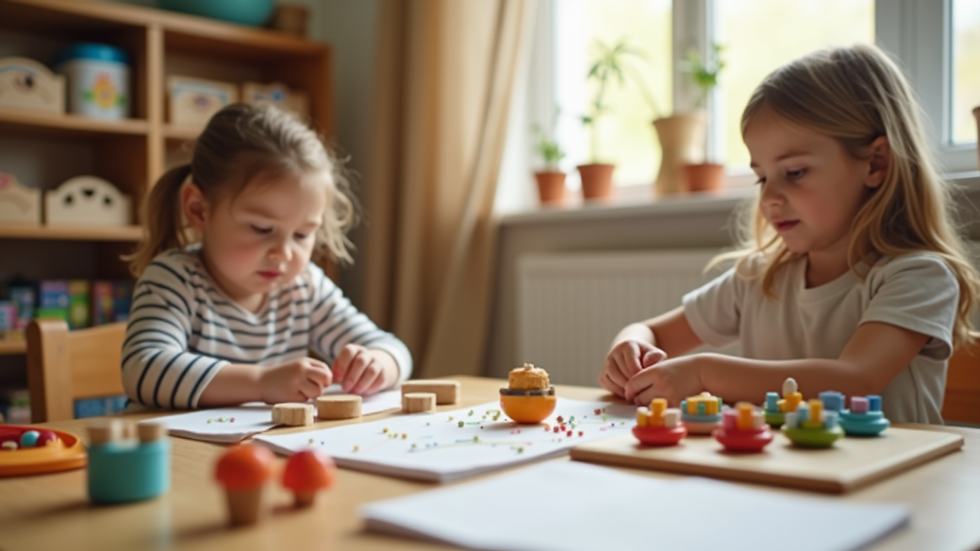
Montessori elementary education stands apart because it centers on the child’s individual growth. Instead of a one-size-fits-all approach, it adapts to each child’s pace and interests. The classroom environment is carefully prepared to encourage exploration and discovery. Children work with hands-on materials that help them understand abstract concepts through concrete experience.
For example, in math, children use beads and blocks to visualize numbers and operations. This tactile learning helps them grasp addition, subtraction, multiplication, and division more deeply than traditional worksheets might. The teacher acts as a guide, observing and supporting rather than directing every step.
This approach builds confidence and motivation. Children feel empowered to take charge of their learning. They develop problem-solving skills and a sense of responsibility that lasts beyond the classroom.
Core Areas of Montessori Elementary Curriculum
The Montessori elementary curriculum covers several key areas, each designed to foster a well-rounded education. These include:
Language Arts: Children develop reading, writing, and communication skills through storytelling, grammar exercises, and creative writing. Materials like movable alphabets and grammar symbols make learning interactive.
Mathematics: As mentioned, math is taught with concrete materials that build a strong foundation. Children progress from simple counting to complex problem-solving.
Cultural Studies: This area includes geography, history, science, and the arts. Children explore the world around them, learning about different cultures, natural phenomena, and historical events.
Practical Life Skills: Activities like cooking, cleaning, and gardening teach responsibility and independence. These tasks also improve fine motor skills and concentration.
Social and Emotional Development: Montessori education emphasizes respect, empathy, and cooperation. Group work and community projects help children develop social skills.
Each subject is integrated into daily lessons, allowing children to make connections across disciplines. This holistic approach supports deeper understanding and retention.
How Montessori Elementary Education Supports Growth
Montessori elementary education supports growth in several important ways. First, it respects the child’s natural developmental stages. Children aged 6 to 12 are in a phase of intense intellectual curiosity and social development. The curriculum meets these needs by offering challenges that are neither too easy nor too hard.
Second, it encourages self-directed learning. Children choose activities that interest them within a structured framework. This balance helps maintain focus and enthusiasm. For example, a child fascinated by planets might spend extra time on astronomy materials, while another might dive into language arts.
Third, the mixed-age classroom promotes peer learning. Older children mentor younger ones, reinforcing their own knowledge and building leadership skills. Younger children benefit from observing and interacting with more experienced peers.
Finally, Montessori education fosters a sense of community and respect for others. Children learn to work together, resolve conflicts peacefully, and appreciate diversity.

Practical Tips for Families Considering Montessori Elementary Education
If you are thinking about Montessori elementary education for your child, here are some practical tips to help you make an informed decision:
Visit a Montessori School: Spend time observing classrooms and talking to teachers. Notice how children interact with materials and each other.
Ask About Teacher Training: Authentic Montessori teachers have specialized training. Confirm that the school employs certified Montessori educators.
Understand the Curriculum: Request detailed information about the curriculum and daily schedule. Look for a balance of academic subjects, practical life skills, and cultural studies.
Consider Your Child’s Learning Style: Montessori works well for children who enjoy hands-on activities and self-paced learning. Think about whether this matches your child’s personality.
Support Learning at Home: Encourage curiosity and independence by providing age-appropriate materials and opportunities for exploration outside school.
Choosing the right educational path is a big decision. Montessori elementary education offers a unique and effective option that prepares children for future success.
Embracing a Montessori Journey in Lancaster, TX
Living in Lancaster, TX, families have access to quality Montessori programs that follow the authentic principles of this educational philosophy. Brooke of Life Montessori Academy, for example, aims to be a leader in providing genuine Montessori experiences from infancy through elementary school.
By choosing a Montessori school in Lancaster, children benefit from a nurturing environment that respects their individuality and fosters lifelong learning skills. The focus on practical life skills, cultural awareness, and academic excellence prepares them well for the challenges ahead.
If you want to learn more about the montessori elementary curriculum, I encourage you to explore local options and see how this approach can make a difference in your child’s education.
Montessori education is more than a method - it is a journey that supports children in becoming confident, capable, and compassionate individuals.
Thank you for reading. I hope this exploration of Montessori elementary education helps you understand its value and potential for your family.


Comments