
Effective Montessori Teaching Methods for Childhood Learning
Montessori education offers a unique approach to childhood learning. It focuses on nurturing a child’s natural curiosity and independence. I have seen how this method helps children develop confidence and a love for learning. In this post, I will share effective Montessori teaching methods that support childhood development. These methods create a calm and structured environment where children can thrive.
Understanding Montessori Teaching Methods
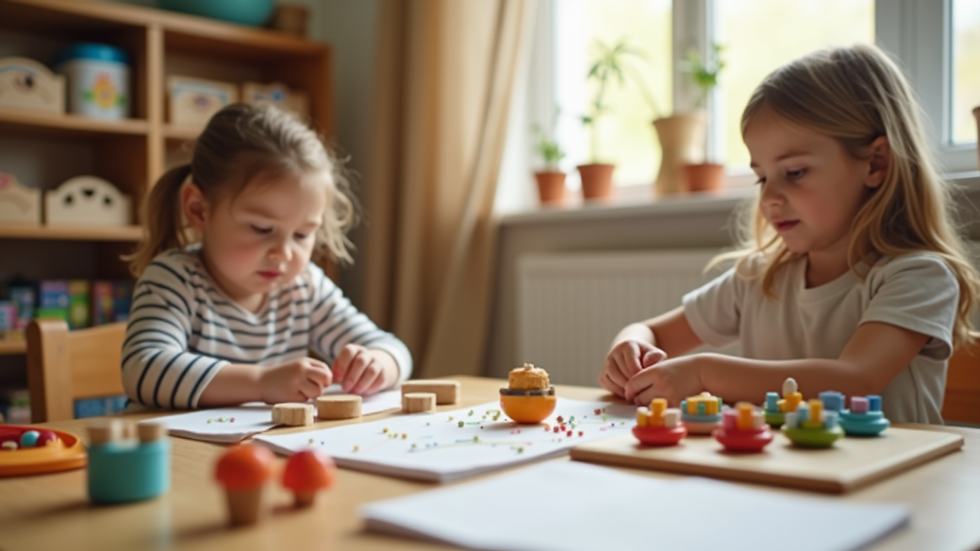
Montessori teaching methods emphasize hands-on learning and self-directed activity. The classroom is designed to encourage exploration and discovery. Children choose activities that interest them, which helps them stay engaged and motivated. The teacher acts as a guide, observing and supporting each child’s individual progress.
The environment is carefully prepared with materials that are simple, beautiful, and purposeful. These materials help children develop skills in areas such as math, language, practical life, and sensory exploration. The goal is to foster independence and concentration.
In practice, Montessori teaching methods include:
Allowing children to work at their own pace
Encouraging repetition to build mastery
Using real-life activities to teach practical skills
Promoting respect for others and the environment
These methods create a balanced learning experience that supports both academic and social growth.

What are the Montessori Methods of Teaching?
Montessori methods focus on the whole child. They address physical, emotional, social, and cognitive development. The approach is child-centered, meaning the child’s interests and needs guide the learning process.
Key elements of Montessori teaching include:
Prepared Environment: The classroom is organized to be accessible and inviting. Materials are arranged on low shelves so children can choose independently.
Autoeducation: Children learn by doing. They discover concepts through hands-on activities rather than direct instruction.
Mixed Age Groups: Children of different ages learn together. Older children often help younger ones, fostering leadership and cooperation.
Sensitive Periods: Teachers observe when children are most ready to learn specific skills and introduce materials accordingly.
Freedom Within Limits: Children have freedom to choose activities but within clear boundaries that promote respect and order.
These methods encourage children to develop self-discipline and a love for learning that lasts a lifetime.
Practical Montessori Techniques for Everyday Learning
Incorporating Montessori techniques at home or in a classroom can be simple and effective. Here are some practical ways to apply these methods:
Create a Child-Friendly Space: Set up a low shelf with accessible materials like puzzles, books, and art supplies. Keep the space tidy and inviting.
Use Real-Life Activities: Involve children in daily tasks such as pouring water, folding clothes, or preparing snacks. These activities build fine motor skills and independence.
Encourage Choice: Offer a few activity options and let the child decide what to do. This supports decision-making and motivation.
Observe and Support: Watch how the child interacts with materials. Offer help only when needed, allowing them to problem-solve on their own.
Repeat and Reinforce: Allow children to repeat activities as often as they like. Repetition helps deepen understanding and confidence.
By using these techniques, children develop practical skills and a sense of responsibility.

Benefits of Montessori Teaching Methods for Childhood Development
Montessori teaching methods offer many benefits for children’s growth. They promote:
Independence: Children learn to do things for themselves, which builds confidence.
Concentration: Focused activities help develop attention span and patience.
Creativity: Open-ended materials encourage imagination and problem-solving.
Social Skills: Mixed-age groups and collaborative tasks teach respect and cooperation.
Love of Learning: Children develop intrinsic motivation to explore and discover.
These benefits prepare children for future academic success and life challenges. The gentle, structured approach helps children feel secure and valued.
How to Support Montessori Learning at Home
Supporting Montessori learning at home is easy with a few thoughtful steps:
Provide a Consistent Routine: Children thrive with predictable schedules that include time for work, play, and rest.
Offer Montessori-Inspired Materials: Simple items like sorting trays, measuring cups, and natural objects encourage exploration.
Encourage Independence: Let children dress themselves, clean up, and make small decisions.
Limit Screen Time: Focus on hands-on activities that engage the senses and mind.
Read Together Daily: Books support language development and curiosity.
By creating a supportive home environment, you reinforce the skills and values learned through Montessori teaching methods.
Montessori education offers a powerful way to nurture childhood learning. Its focus on independence, hands-on activity, and respect for the child creates a strong foundation for lifelong success. Whether in a classroom or at home, these effective Montessori teaching techniques help children grow into confident, capable learners ready for the future.


Comments