
Exploring montessori education benefits: Top Benefits of Montessori Education
Montessori education offers a unique approach to learning that focuses on the whole child. It encourages independence, creativity, and a love of learning. I have seen how this method helps children develop at their own pace while building essential life skills. In this post, I will share the top benefits of Montessori education and explain why it might be the right choice for your child.
Understanding montessori education benefits
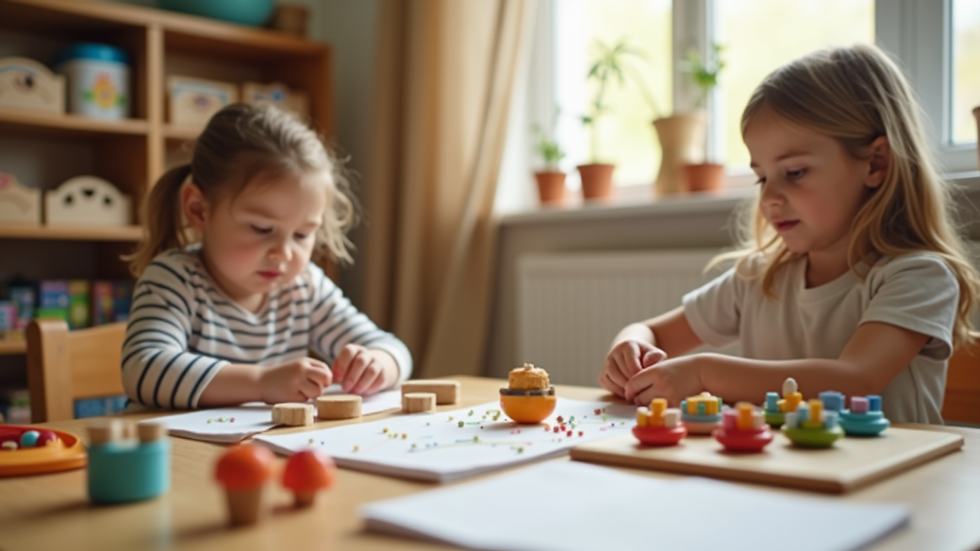
Montessori education benefits children in many ways. It creates an environment where kids feel safe to explore and learn. The classrooms are designed to be child-centered, with materials that invite hands-on learning. Children choose activities that interest them, which keeps them engaged and motivated.
One key benefit is the development of independence. Children learn to manage their tasks and solve problems on their own. This builds confidence and self-discipline. For example, a child might learn to pour water from a small pitcher or tie their shoelaces, gaining practical skills that boost their self-esteem.
Montessori classrooms also promote social skills. Children work together, share materials, and respect each other's space. This helps them develop empathy and cooperation. Teachers guide rather than direct, allowing children to learn from their experiences and from each other.

How Montessori education supports emotional growth
Emotional growth is a vital part of a child’s development. Montessori education supports this by encouraging children to express their feelings and understand others. The calm and orderly environment helps children feel secure and focused.
Children learn to manage their emotions through activities that require patience and concentration. For example, working with puzzles or sorting objects helps children practice calmness and persistence. These experiences teach children how to handle frustration and develop resilience.
The Montessori approach also respects each child’s individuality. Teachers observe children closely and provide support tailored to their needs. This personalized attention helps children feel valued and understood, which strengthens their emotional well-being.
Do Montessori kids do better in school?
Many parents wonder if Montessori kids do better in school. Research shows that children who attend Montessori programs often perform well academically and socially. They tend to have strong reading, math, and problem-solving skills.
Montessori education encourages a deep understanding of concepts rather than memorization. Children learn by doing, which helps them retain information longer. For example, using physical materials to explore math concepts makes abstract ideas more concrete and understandable.
Additionally, Montessori students develop strong executive function skills. These include planning, organizing, and self-regulation. Such skills are essential for success in traditional school settings and beyond.

Practical skills gained through Montessori education
Montessori education emphasizes practical life skills that children use every day. These skills include dressing, cleaning, cooking, and caring for the environment. Learning these tasks helps children become more independent and responsible.
For instance, children might practice pouring, sweeping, or preparing snacks. These activities improve fine motor skills and hand-eye coordination. They also teach children to take care of themselves and their surroundings.
By mastering practical skills, children gain confidence and a sense of accomplishment. These experiences prepare them for real-life challenges and foster a positive attitude toward learning.
Preparing children for future success
Montessori education prepares children for future success by nurturing critical thinking and creativity. The method encourages curiosity and problem-solving, which are valuable in any career or life path.
Children learn to set goals and work steadily toward them. They develop a love for learning that lasts a lifetime. This foundation helps children adapt to new situations and continue growing.
Montessori education also promotes respect for diversity and the environment. Children learn to appreciate different cultures and the natural world. These values help them become responsible and compassionate adults.
Choosing Montessori education means giving your child a strong start. It supports their growth in many areas and helps them become confident, capable individuals ready to face the future.
Finding the right Montessori experience
If you are considering Montessori education, look for a program that follows authentic Montessori principles. The environment should be carefully prepared, and teachers should be trained in Montessori methods.
Visit classrooms to see how children interact with materials and each other. Ask about the curriculum and how teachers support each child’s development. A good Montessori program will welcome your questions and involve you in your child’s learning journey.
By choosing the right Montessori experience, you provide your child with a unique opportunity to thrive. The benefits of Montessori education can shape their growth and success for years to come.
For families seeking a nurturing and effective educational path, Montessori education offers many advantages. It supports independence, emotional growth, academic success, practical skills, and future readiness. I encourage you to explore this approach and see how it can benefit your child’s development.
Learn more about the benefits of montessori education and consider how it fits your family’s needs. Your child’s journey to confident learning and growth can start today.


Comments